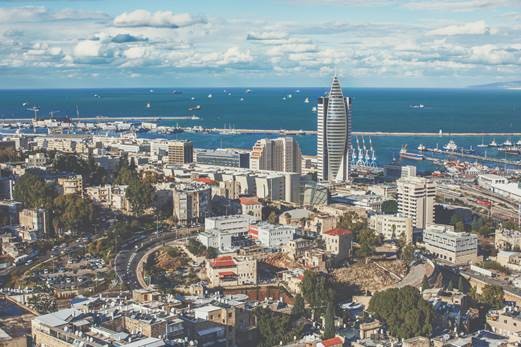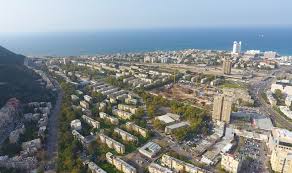



Haifa is the third largest city in Israel, surpassed only by Jerusalem and Tel Aviv. It is often called the “northern capital of Israel.” The city’s population is about 300,000 people. Haifa is an academic city, home to the University of Haifa and the Technion – Israel Institute of Technology – one of the world’s leading scientific and technological universities. Thanks to its strong academic presence, most residents have a good command of English, making the city attractive for international students, researchers, and professionals.
Haifa is also a medical hub. The city has four major hospital complexes – Rambam, Bnei Zion, Carmel, and Elisha – and hosts the Faculty of Medicine of the Technion. This unique concentration of hospitals, research centers, and academic institutions makes Haifa a center of excellence in medical innovation, healthcare, and training of future generations of doctors.
On the western side of the city lies the scientific-industrial center Matam, the largest hi-tech park in Israel, where offices of leading global and Israeli companies such as Intel, Google, Microsoft, IBM, Amazon and Apple are located. Haifa is home to Intel’s largest R&D center outside the United States, positioning the city as one of the most important high-tech and innovation centers in the country.
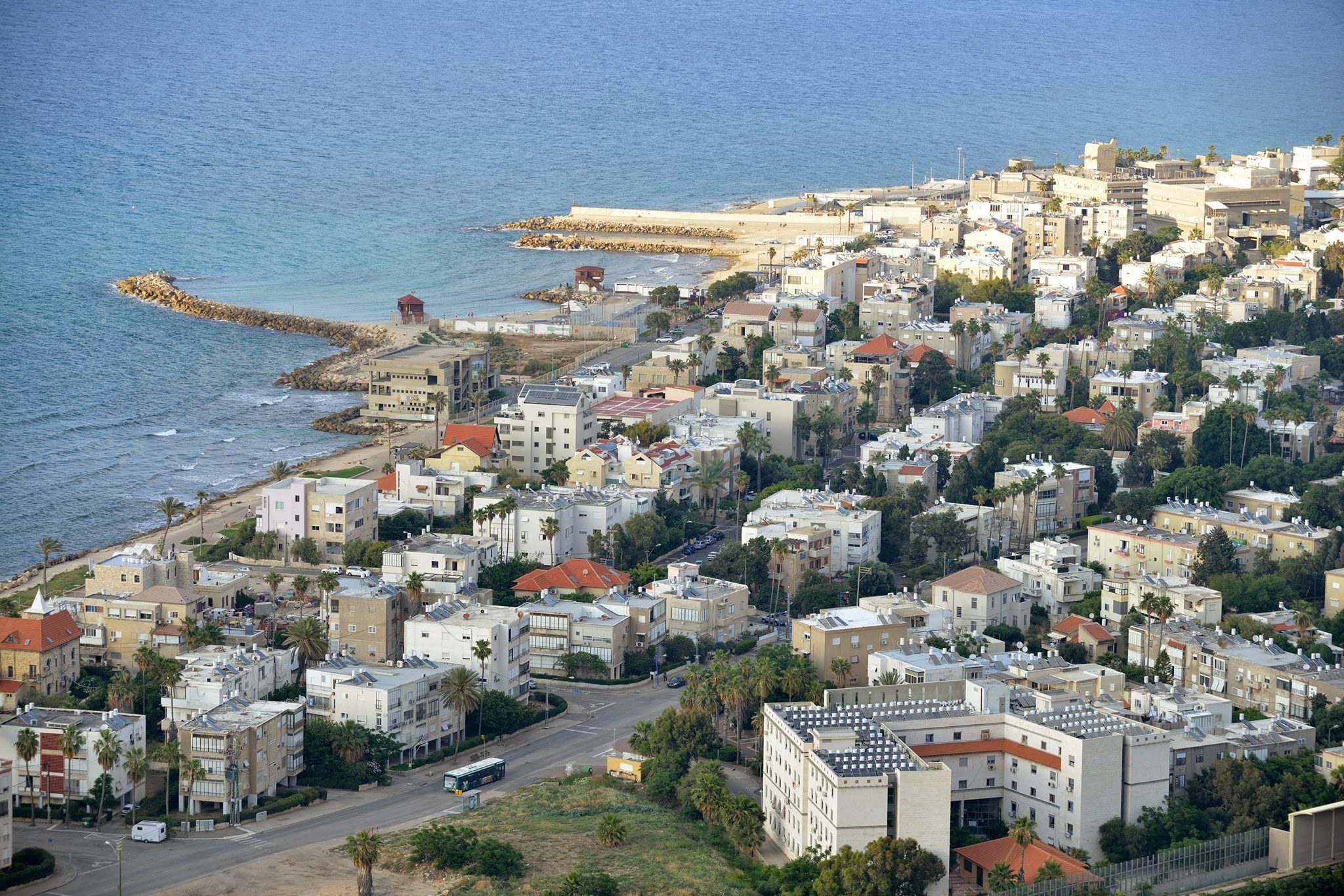
The city is located on the picturesque slopes of Mount Carmel, offering breathtaking views of the Mediterranean Sea and Haifa Bay. It is both a major port and an industrial center, as well as a key transportation hub of the country.
Haifa is famous for its rich history. Here you can find the famous Elijah’s Cave and the unique Bahá’í Gardens, which attract tourists from all over the world.
This is a modern city with developed infrastructure, where new immigrants quickly find housing and jobs, as well as enroll their children in kindergartens, schools, and clubs. The cost of renting housing in Haifa is significantly lower than in the central regions of the country.
Public transportation in Haifa is well-developed, including buses and the high-speed “Metronit,” which operates even on Shabbat. A special attraction of the city is the “Carmelit” metro, listed in the Guinness Book of Records as the shortest underground metro in the world. The upper residential areas of the city are connected to the lower part by two cable cars. Railway stations provide convenient connections to other regions of Israel.
Haifa includes 13 developed districts, numerous parks, shopping and entertainment centers, museums, theaters, a zoo, and well-maintained beaches, many of which are accessible for swimming year-round. The city is actively growing and developing new residential areas.
Annually, about 2,000 new immigrants arrive in Haifa, and in 2022, their number doubled. For new citizens, three municipal ulpans – Hebrew language schools – operate, including the youth ulpan “Etzion,” which is considered one of the best in the country. The city offers a wide range of housing and job opportunities.
Haifa is an international city where a Hanukkah menorah, a Christmas tree, and a crescent moon are simultaneously installed on the central street. Representatives of various religions peacefully coexist here.